
CARF International’s 60th Anniversary

In 2026, CARF International marks its 60th anniversary—what an important milestone! This year is a period for us to reflect and take stock of what we have done and what needs to be done in the coming years.
Founded on September 27, 1966, we began with a mere 4 employees, a single office in Chicago, Illinois, and 4 accredited providers in the United States. Since then, we have experienced exceptional growth, evolving into one of the world’s leading accrediting bodies for health and human services. Today, CARF International is composed of 130 employees, 1,767 surveyors, 5 offices, and 9,600 service providers with more than 68,300 accredited programs and services at 31,900 locations worldwide. Those accredited organizations serve 12 million persons annually.
We remain committed to helping organizations ASPIRE to Excellence® in the programs and services they provide to enhance the lives of persons served. To commemorate and honor our 60th anniversary, please sign our online guestbook and view our celebration timeline.
To all our customers, stakeholders, and friends—thank you for your continued commitment to CARF accreditation. We look forward to the next milestone and continuing to make a lasting impact around the globe.
Sincerely,
Donald J. Dew, MSW, ACSW, Board Chair
Brian J. Boon, PhD, President/CEO
The CARF staff and surveyors
Interactive timeline
Navigate through this interactive 60th anniversary timeline of CARF milestones, photographs, and information. Scroll through the years using the arrows.
1966
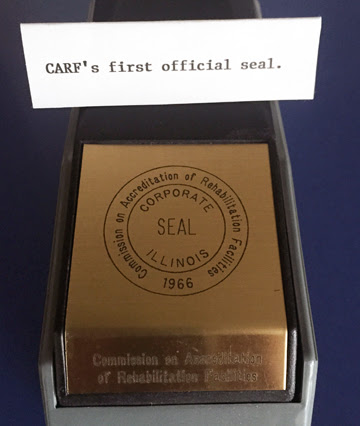
CARF is incorporated
The Commission on Accreditation of Rehabilitation Facilities was incorporated in Illinois as a nonprofit organization on September 27, 1966. Incorporation papers named nine directors, including one from Canada.
1969

CARF accredits its first program in Canada, St. Michael’s Hospital, Vancouver
1970
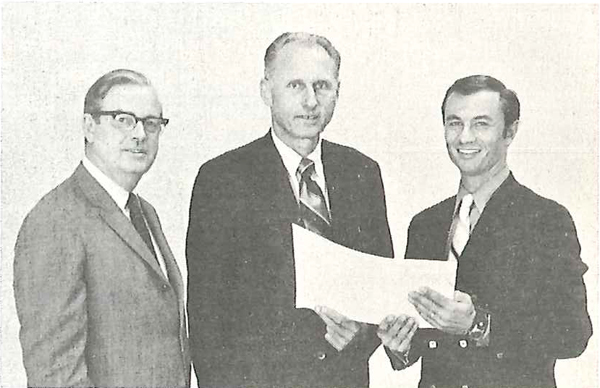
100th Survey
The Rancho Los Amigos Hospital in Downey, CA, marked the 100th site survey of a rehabilitation facility by CARF. Eugene Erickson (center) accepted the Certificate of Accreditation from William Page (left), Chairman of the CARF Board of Trustees, and Alan Toppel (right), CARF’s Program Director.
The Council of State Administrators of Vocational Rehabilitation passed a resolution requiring CARF accreditation of all rehabilitation providers. This was one of the key developments in the history of the Commission.
1971
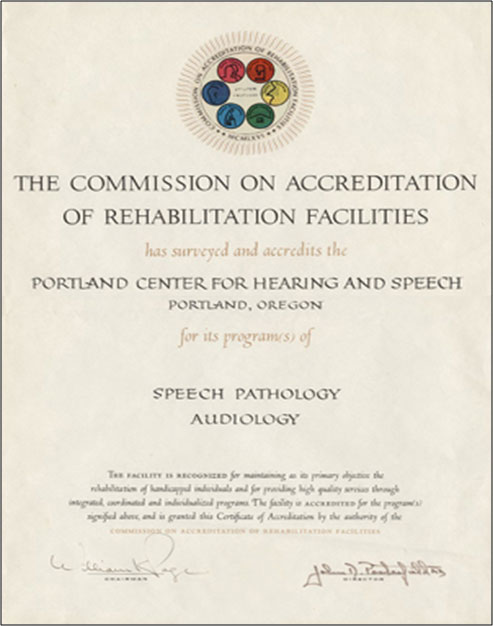
A pre-1971 accreditation certificate
A calligrapher hand-penned the provider and program names and each certificate was signed by JCAH Director John D. Porterfield, M.D.
1974
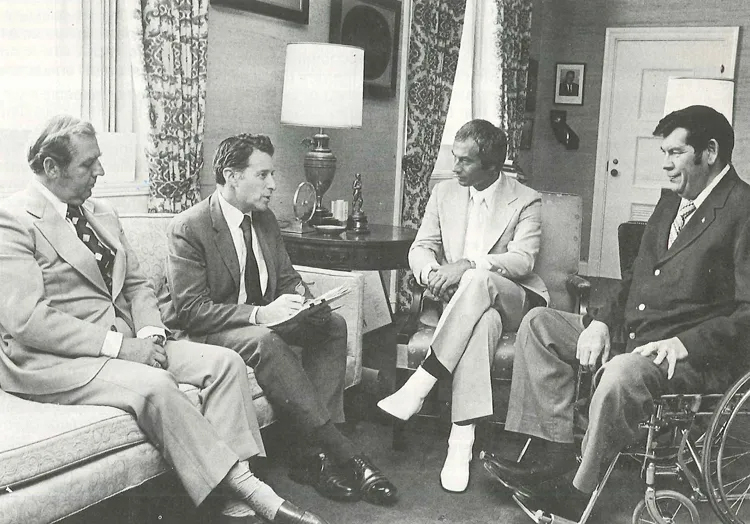
Active Communications
A meeting to discuss rehabilitation’s unique and decisive efforts in program evaluation, standards of performance, and accreditation. (Left to right) Dr. Andrew S. Adams, Commissioner of Rehabilitation Services; Caspar W. Weinberger, Secretary of Health, Education and Welfare [later renamed the Department of Health and Human Services]; Alan H. Toppel, Executive Director of CARF; and Ray R. Seitz, Vice Chairman of the CARF Board of Trustees.
1976
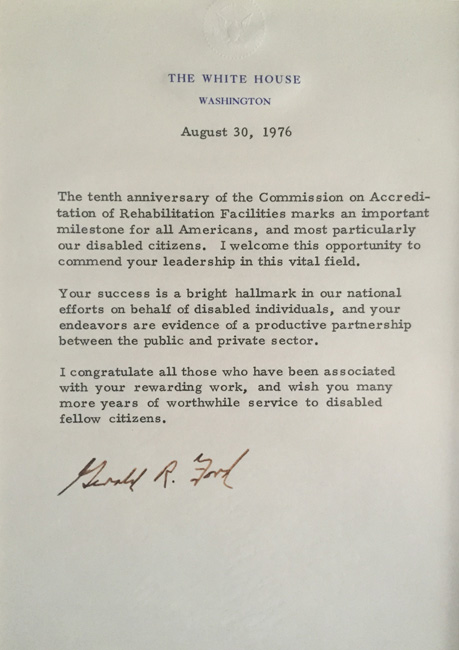
10th Anniversary
CARF celebrated its first 10 years of service and received a special congratulatory letter from U.S. President Gerald Ford commending the organization on this “important milestone for all Americans, and most particularly our disabled citizens. I welcome this opportunity to commend your leadership in this vital field.”
There are more than 850 organizations with accredited programs/services at nearly 1,900 locations.
1979
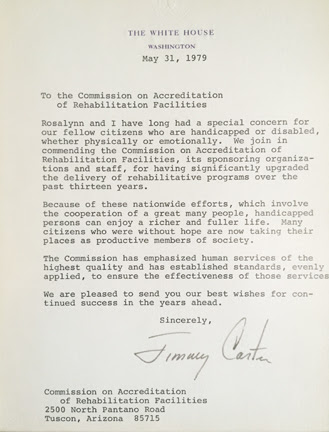
May
President Jimmy Carter recognized CARF for its significant efforts to upgrade the delivery of rehabilitation services to the nation’s citizens with disabilities.
1979
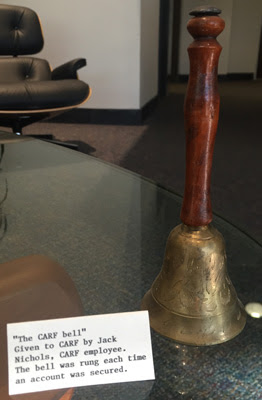
A six-inch engraved brass bell, brought to CARF International by Associate Director Jack L. Nichols, became part of CARF lore, rung in the office each time a survey application arrived. Nichols later continued serving CARF as a surveyor for Employment and Community Services until March 2016.
1981
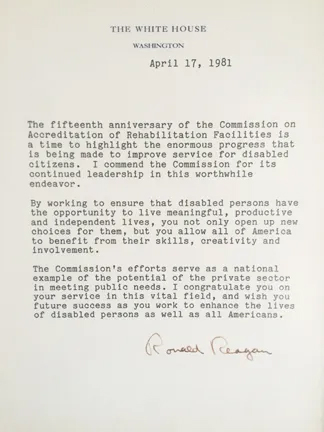
15th Anniversary
President Ronald Reagan wrote on the occasion of CARF’s fifteenth anniversary stating, “The Commission’s efforts serve as a national example of the potential of the private sector in meeting public needs”.
1986
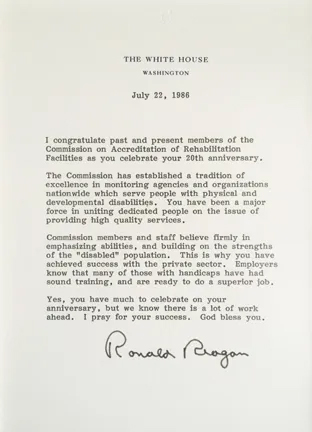
20th Anniversary
Standards for Respite Programs and Alcoholism and Drug Abuse Treatment Programs were introduced. President Ronald Reagan wrote for the twentieth anniversary, “The Commission has established a tradition of excellence in monitoring agencies and organizations nationwide which serve people with physical and developmental disabilities”.
1991

25th Anniversary
On 25th anniversary of CARF International, George H. W. Bush congratulated CARF International for helping open doors of opportunity for Americans with disabilities by promoting excellence in rehabilitation services.
The number of accredited programs/services reaches more than 3,000 in the U.S., Puerto Rico, and Canada.
1992
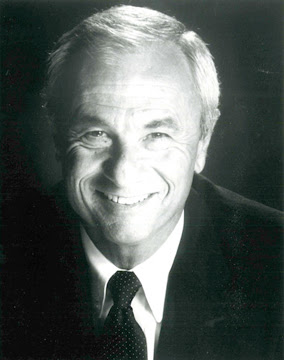
Alan H. Toppel
Alan H. Toppel retired after more than 20 years of service with CARF.
1995
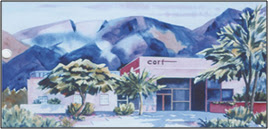
CARF published separate volumes of standards for its three divisions: Behavioral Health, Employment and Community Support, and Medical Rehabilitation.
CARF purchased its first office building at 4891 E. Grant Road in Tucson, AZ.
1996

30th Anniversary
CARF published the first edition of the Accreditation Sourcebook.
In the Medical Rehabilitation Division, standards for a new program area, Home- and Community-Based Rehabilitation Programs, went into effect, along with revised standards in the areas of Brain Injury Programs, both Comprehensive Inpatient and Community Integrative, and Spinal Cord Rehabilitation System of Care.
In its 30th year of operation, CARF accredited its first program in Europe.
2000
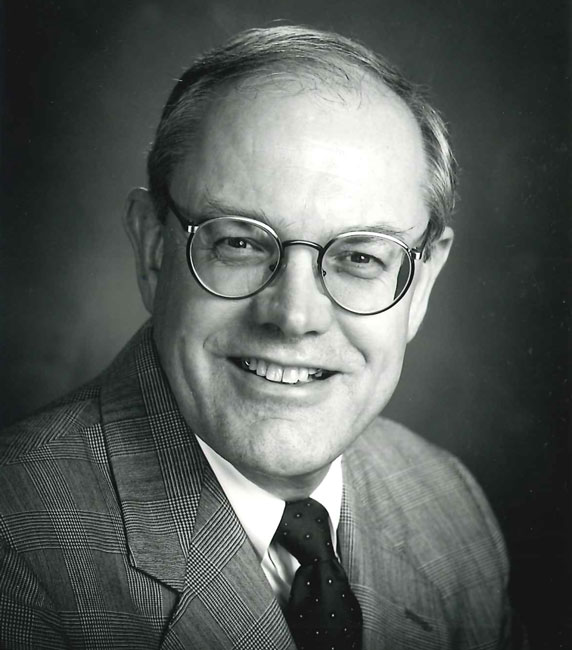
Don Galvin, Ph.D.
CARF President/CEO Don H. Galvin, Ph.D. retired. Don was a tireless champion of independent living and employment opportunities for individuals with disabilities, providing congressional testimony and presenting at conferences in the U.S. and around the world.
CARF published a standards manual for Assisted Living programs.
2002

CARF Canada is incorporated in Edmonton, Alberta.
2003

CARF International acquired the Continuing Care Accreditation Commission, founded in 1985 by the American Association of Homes and Services for the Aging, expanding its ability to identify high-quality care providers across services ranging from children to older adults.
The public information policy was extended to include all units.
2006
40th Anniversary
CARF published the Aging Services Standards Manual for providers with Continuing Care Retirement Communities, Aging Services Networks, Adult Day Services, Assisted Living, or Stroke Specialty Programs.
There are nearly 5,000 organizations with accredited programs/services at 38,325 locations in more than 10 countries.
2007

uSPEQ® launched
uSPEQ is a turnkey data collection and reporting system from CARF International that gathers feedback from key stakeholders to support organizational well-being and performance improvement, including surveys on consumer experience and employee climate.
CARF launched its online customer portal, Customer Connect (customerconnect.carf.org).
2008
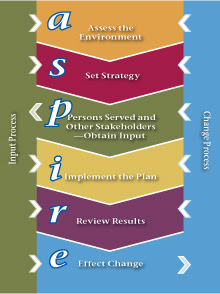
CARF International introduced the ASPIRE to Excellence® quality framework, providing business practice standards that guide organizations in aligning purpose, planning, and operations to achieve desired outcomes.
CARF accredited its first programs in Oceania and the Middle East.
CARF accreditation was recognized by the Ontario Ministry of Health and Long-Term Care.
CARF Europe was incorporated in London, England, United Kingdom.
2010

CARF accredited its first programs on the African continent.
CARF headquarters office moved to 6951 E. Southpoint Road, Tucson, AZ.
2011

45th Anniversary
CARF logos were rebranded to include the ASPIRE® to Excellence tagline.
There are more than 6,425 organizations with accredited programs/services at over 47,350 locations worldwide.
2013
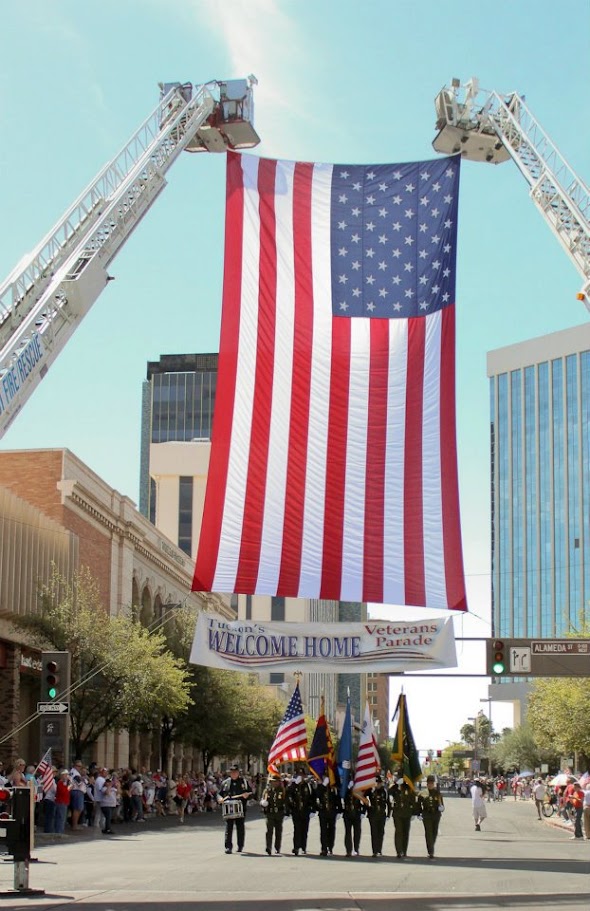
Alan Toppel passed away on April 22, 2013. His final crowning achievement was the idea, creation, and execution of “Tucson’s Welcome Home Veterans Parade” on March 31, 2012.
CARF introduced standards for Eating Disorder Treatment programs in the Behavioral Health accreditation area.
2016
50th Anniversary
There are nearly 7,000 organizations with accredited programs/services at more than 52,300 locations worldwide.
CARF celebrated 50 years of enhancing lives and services for the persons served.
2016
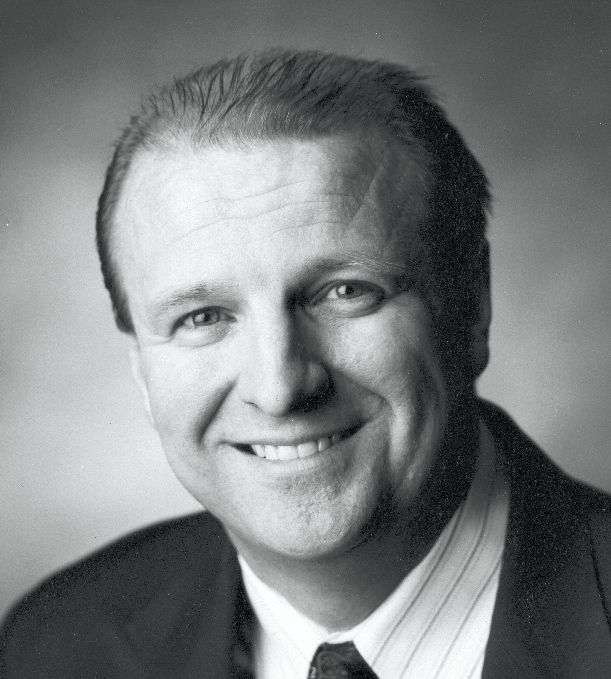
Brian J. Boon Ph.D.
Under the leadership of Brian J. Boon, CARF International expanded globally with offices in Canada and Europe, broadened accreditation into new human service fields, and strengthened its presence in Washington, D.C. The organization acquired and redesigned the accreditation process for Commission on Accreditation for Case Management (CCAC), streamlined governance, and modernized operations through initiatives such as the eChecklist, uSPEQ, a CRM system, web-based surveyor training, and a balanced scorecard to track growth and customer satisfaction.
2016

U.S. President Barack Obama sent a letter congratulating CARF International on its 50th anniversary.
2020
CARF partnered with the American Society of Addiction Medicine (ASAM) and began offering ASAM Levels of Care certification of residential substance use disorder treatment services.
2023
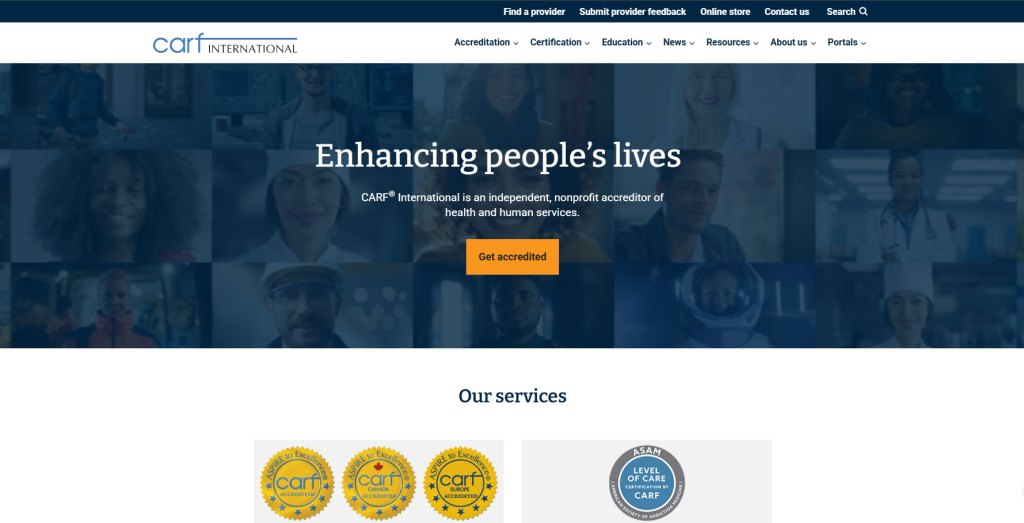
CARF launched a newly redesigned user-centric website at carf.org.
Michael J. Connolly, D.O., joins CARF as its first Chief Medical Officer to provide medical leadership across all accreditation areas.
CARF designed standards for Certified Community Behavioral Health Clinics (CCBHCs) based on the SAMHSA criteria and began offering accreditation for CCBHCs.

Persons Served Artwork Showcase
Artwork shown in this video series were created by persons served at CARF-accredited programs/services around the world.

Impressively long-time organizations weigh in on accreditation
As CARF International approaches its 60th anniversary in 2026, there are several organizations that have been and remain accredited since CARF’s early years.